
The Importance of Early Childhood Development: What You Need to Know
Why are the early years so crucial for a child's development and why is there so much focus on childhood learning? Here are 10 reasons.
The importance of early childhood development lies in how early learning shapes a child's life.
It may seem that learning starts when children begin formal schooling, however, it starts right from birth. That's why it is important to create a healthy learning environment for children to grow and learn in.
Here are some reasons why early childhood development is so important.
P.S. For simple, play-based ideas that support early development, try the Learning Through Play Activity Pack.
1. The First 6 Years Are Crucial
The early years are an especially important period of brain development. During this time, children form neural connections at a rapid rate as they interact with the people and world around them.
These early experiences help build the foundations for later learning, behaviour and development. Harvard’s Center on the Developing Child explains that while the brain continues to develop throughout life, the early years are the most active period for establishing neural connections.
2. It Lays the Foundation
Experiences during the early years help shape a child’s development and can have lasting effects on learning, behaviour and relationships.
Positive, responsive relationships and a safe, supportive environment help build a strong foundation for later development.
Research shows that early childhood experiences are linked with outcomes in areas such as learning, mental health and relationships later in life.
3. Learning Difficulties Can Be Identified Early
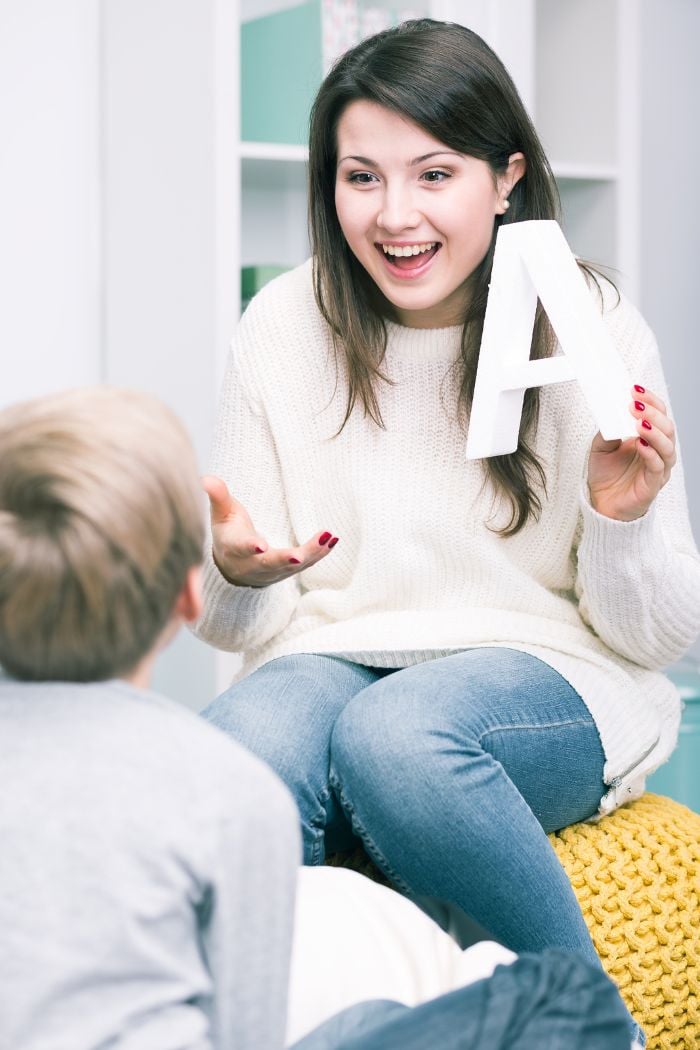
In some cases, children may have learning problems and difficulties, and the earlier you identify them, the easier is it to treat them.
If you can see early on that a child is struggling, you will be able to provide greater help.
You can talk to a professional and get a valid diagnosis and treatment plan. In some cases, early treatment will help resolve the issue before it becomes more serious.
4. Builds Positive Experiences
The more positive experiences a child has early on, the more they will develop a positive outlook on things and be more optimistic despite their situations.
It also will help them to develop confidence and great self-esteem.

When a child succeeds at something early on, it encourages them to try again and makes them feel good about themselves. Then, they will try new things and take on new interests due to that boost of confidence [source].
5. Shapes Their Identities
Just like with every other aspect of life, early childhood development involves personality.
Even in the womb, babies start to form an identity and personality. When they are born, each experience they have develops their personality in some shape or form.
When you praise your child, make sure to compliment their efforts instead of their personality. Instead of saying, “you are smart” say, “I saw how hard you worked on that.”
This will help them to see themselves in the most positive light and develop stronger personalities.
6. Builds Solid Relationships
As a parent, your relationship with your children will be their first experience of a relationship.
The way you handle your relationship with your child is crucial for the health of their future relationships.

They will watch you and learn from everything you do. If you are in healthy relationships, they will learn to interact and form healthy bonds with others too. However, the opposite is also true.
The way you act around your child will help them to know how to act around other people as well.
7. Affects Their Success at School
Early childhood development has a major impact on future learning abilities in school [source].
If children don’t have a healthy environment early on in the home, they could have major problems learning in school.
What children learn at home and at preschool during the early years has a huge impact on what kind of learners they turn out to be in formal schooling.
They will have developed the foundational skills, as well as the ability to listen and concentrate during lessons.
8. Impacts Emotional and Social Health
Because babies do not talk, they learn through their senses and emotions. They are amazing at picking up the emotions of their mother and caregivers.
Babies know when you are upset or stressed, and it alters the way they feel as well.
They are also incredible at picking up social cues. If they see you are sad, they become sad as well. If you smile at them, they instantly smile back. Without language, that is their only way to communicate.
If their home is a safe and inviting environment, they will learn and develop good social and emotional health [source].
They will understand there are different emotions and that it is okay to feel different emotions.
Early childhood is the time to set the foundation for the rest of their lives, and not just in the social and emotional aspects, but all aspects of their life.
9. Affects Physical Health
Early childhood development also shapes a child's physical health [source].
Teaching children to brush their teeth from a young age, for example, will help them to have great personal hygiene all throughout their life.
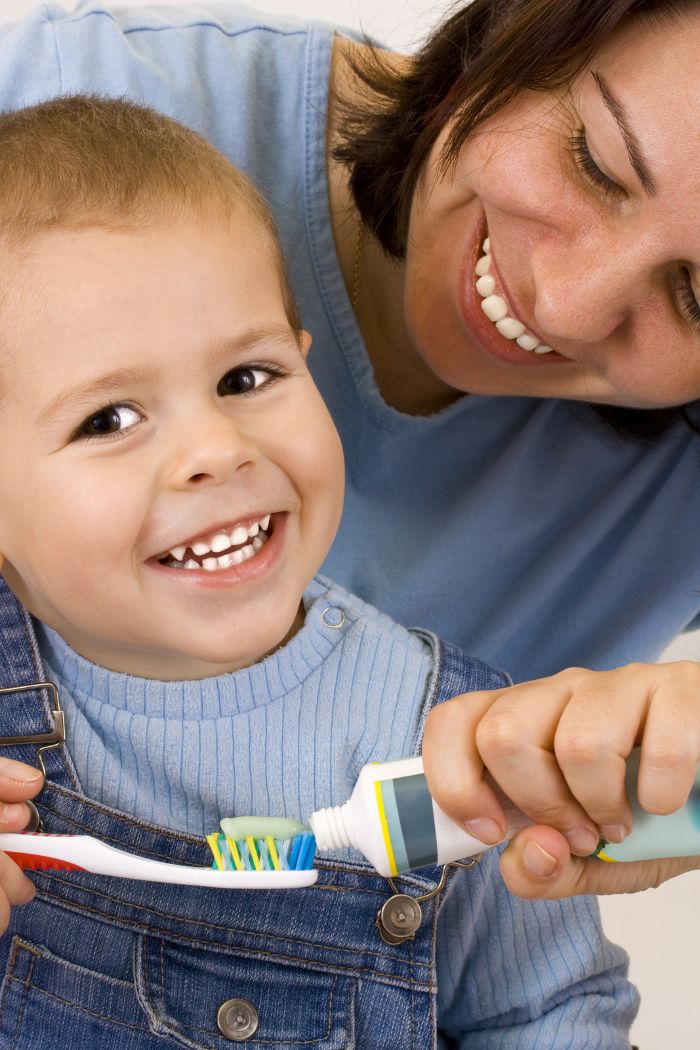
If a child grows up in a healthy home, they are more likely to be healthy as adults. Make sure to teach them healthy habits from an early age.
10. Builds Enthusiasm for Learning
You can help your child develop a love for learning from an early age. If you encourage it, they will love school and the process of learning. If you don't, school may be harder for them [source].
When you are teaching your child how to do something, make it fun and exciting for them. This will help instil in them that learning is supposed to be fun. When they fail at something they are trying to learn, encourage them not to give up but to try again.
A child’s brain is like a sponge. They absolutely love to learn. They are curious about anything and everything. What children learn during the first few years of their life will make a huge impact on their future.


impressive your article have provided a lot of information
Thank you for your kind words, I'm glad the article was informative for you!
Very wonderful study. Keep it up. I have loved the article
Thank you Akol!
Your article has provided a lot of valuable information and guidance. Thanks for sharing
I'm glad to hear that! You're welcome.
I love this article and want to read more and more .
So glad to hear it was useful!
Thanks you for teaching us
I'm glad you enjoyed this!
This is amazing thanks a million.
Glad you enjoyed this, Patience!
This is so empowering thank you very much
Thanks, Henrietta!
well written
Thanks for reading!
That is amazing advice
Thank you!