
Tearing paper is an excellent workout for little fingers, vital for developing fine motor skills in early childhood. Here are some fun and easy paper tearing activity ideas that require little to no preparation. Though it may start with your toddler gleefully tearing through toilet rolls and pages from books, tearing paper is a skill …
Gross & Fine Motor Skills
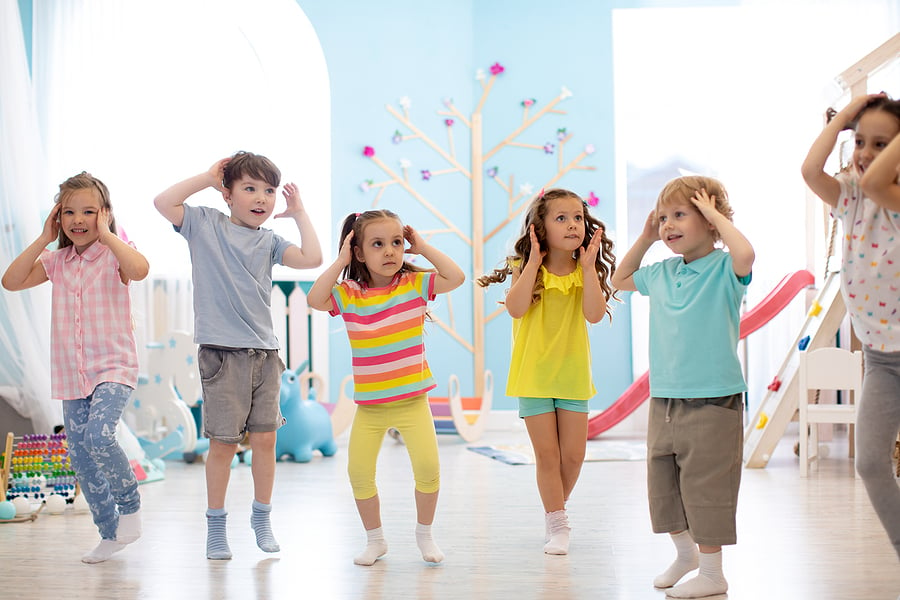
Attaining body awareness is an important part of the child development process. This concept can seem more hidden and less obvious than other milestones children meet in their early years. Find out exactly what this ability entails and how you can help your children develop it with this collection of fun body awareness activities. What …
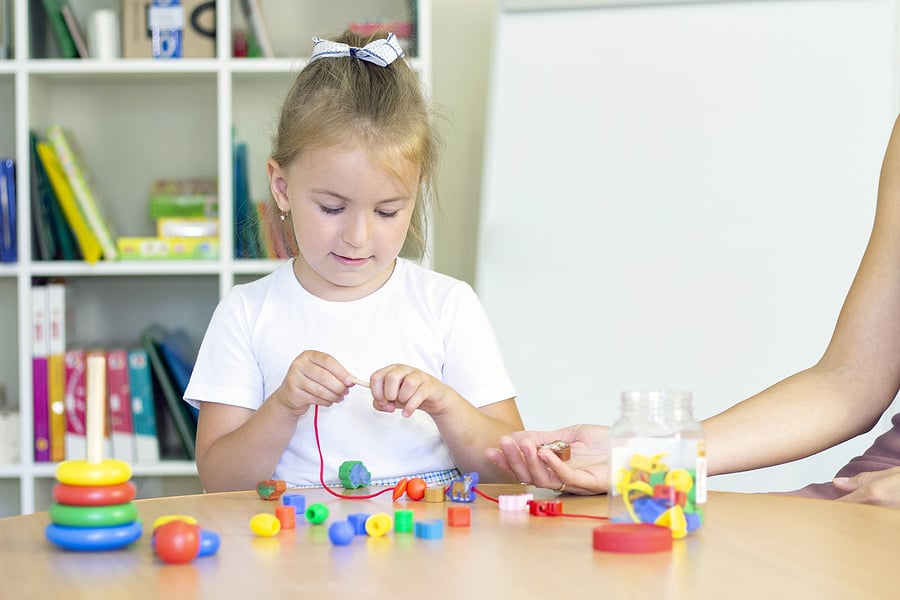
Threading beads, also called stringing beads, is a great activity for young kids. Did you know there are also many benefits of threading for toddlers and preschoolers? You will find a tub of beads and string in every preschool classroom, for good reason. Although beads may not seem all that fun or as flashy as …
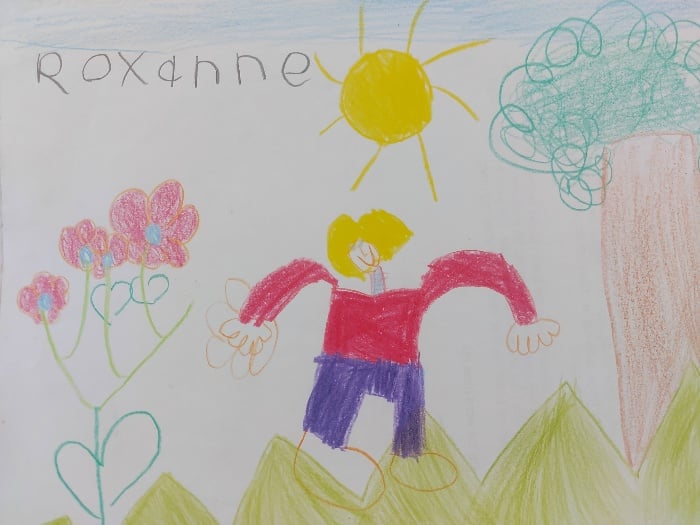
Drawing is a process that all children naturally engage in, from the time they first discover they can hold a crayon. A child’s drawing progress reflects a strong connection to their overall development. Children develop drawing skills at different ages, yet they share common traits as they move through the stages of drawing development from …

Learning to cut with scissors is an exciting rite of passage for young children. Kids watch the adults in their lives as they cut with scissors, and they want to try it too. Cutting is also an important life skill. Why is Cutting Important for Preschoolers? Practice with cutting leads to independence through the development …
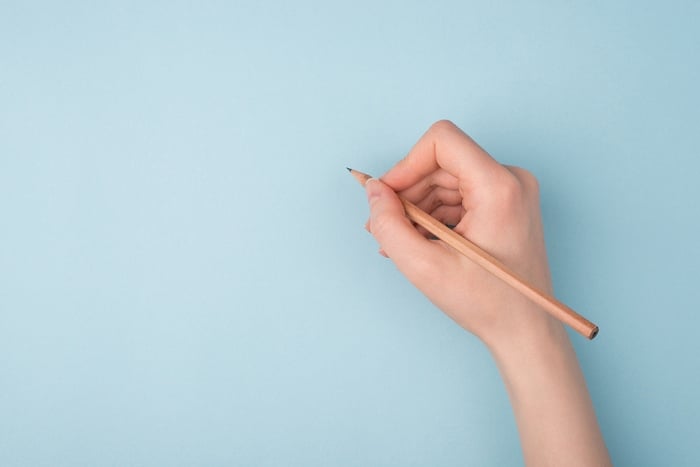
Does it matter how you hold a pencil? You have probably noticed that very young children use different ways to hold a crayon, and their pencil grip may vary from time to time. While there isn’t only one correct way to hold a pencil, one of the preferred ways for effective handwriting is called the …

Bilateral coordination is an important aspect of a child’s physical development and how they use their bodies in everyday activities. Without this type of control, everyday tasks like walking, buttoning, and drawing present a significant challenge for children. What is Bilateral Coordination? Bilateral coordination, also called bilateral integration, refers to the ability to use both …
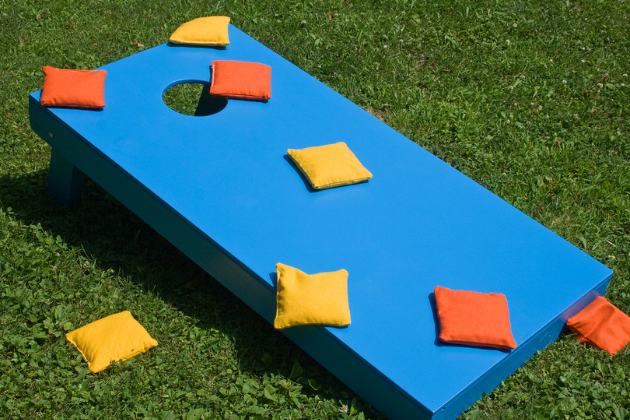
Looking for movement activities for preschoolers? These fun ideas are perfect for home or the classroom! Movement activities, or gross motor activities, involve engaging large muscle groups to build coordination. While children naturally seek movement through play, structured activities can help develop essential skills. Try these activities to give kids a break, build skills, or …

Featured by Twinkl in World Art Day Blog There are so many incredible benefits of painting for children which makes this art form so much more than just a fun activity for kids. Children strengthen many foundational skills while taking part in this enjoyable activity as painting has many social, emotional, physical and intellectual benefits. What are the …
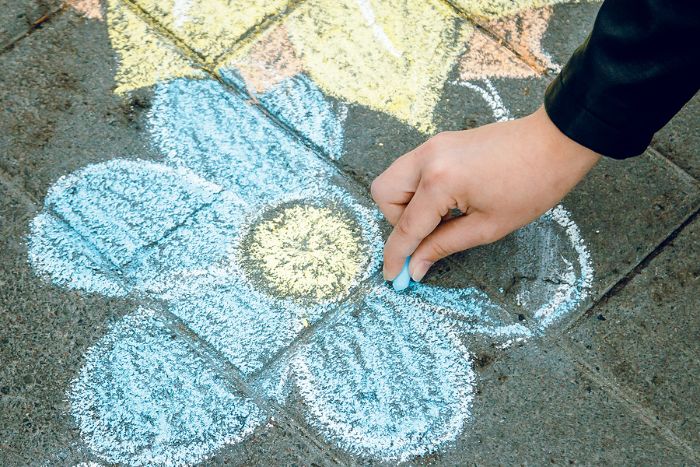
Featured by Twinkl in World Art Day Blog Searching for some fun things to do with chalk with your preschoolers or toddlers that are also educational chalk activities? Chalk is not only fun to use but also a learning material that kids should be exposed to often. It is a great way to build fine motor control and …
An obstacle course is a wonderful way to engage a young child in movement. These awesome ideas are simple and will provide hours of entertainment and learning. Although there are many kinds of obstacle courses and ways to build them, they share several similarities. They use objects and structures as the obstacles to “conquer,” as …
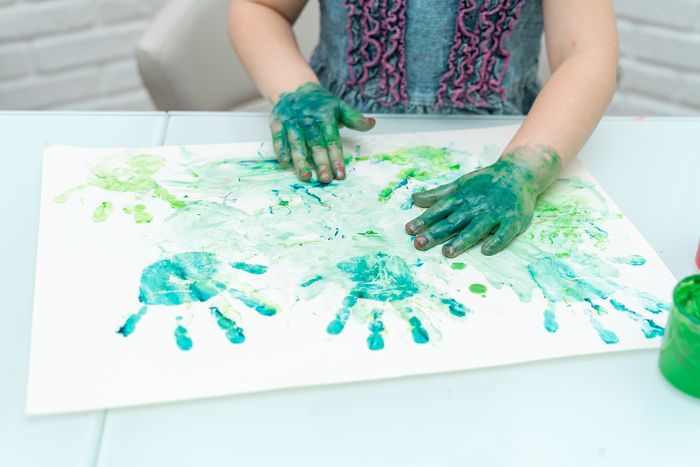
Featured by Twinkl in World Art Day Blog Besides offering a great deal of fun and freedom for young children, finger painting has therapeutic effects for kids. This type of painting is a wonderful form of messy play and it is great for developing fine motor skills. It also offers a wide range of possibilities for self-expression. Introduce …